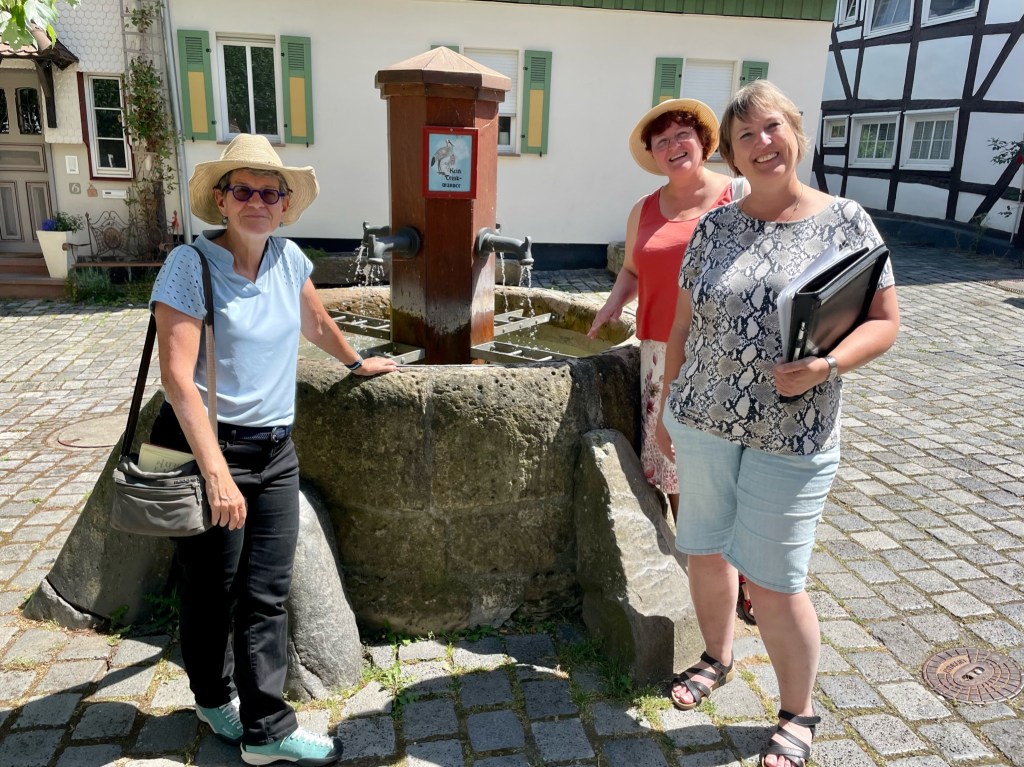

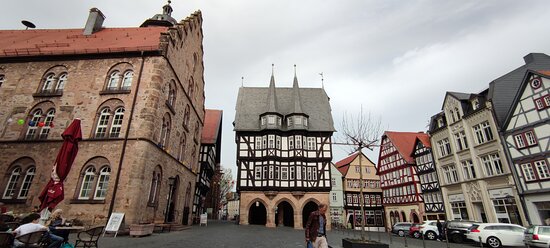
Here in my mother’s home town, we were grateful to meet Daniela and Claudia, who spoke to us about Alsfeld history and gave us a wonderful tour. They are passionate about remembering and learning from the past.
At dinner we were joined by Aegidus and Joachim. All of us were born after WW2. We had a lively conversation about how our lives were affected by German parents who had spent the war in various roles on several continents. Our shared family histories forged a link of respect and friendship.

In their scant spare time, Claudia and Joachim have created a museum called Speier Haus to educate children about Jewish life and the destruction of a Jewish family during the Nazi era. I will tell you more about it in a later post.
Aegidius works for the Catholic church and organized a memorial ceremony on 9/11 for which I made a video that you can watch by clicking here.


Monika, a journalist, has helped me with family history through her connections with those involved in preserving Jewish history in Germany.
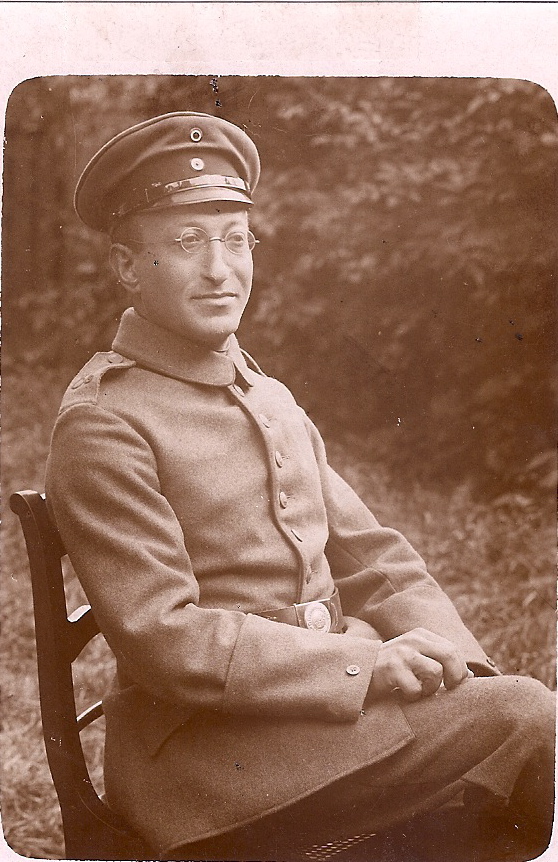
My grandfather Adolf was born and named before, um, that other Adolf. My grandfather was a German soldier during WW1. He became a leader in the Alsfeld synagogue. My large Steinberger family lived for hundreds of years in Alsfeld and the neighboring villages.

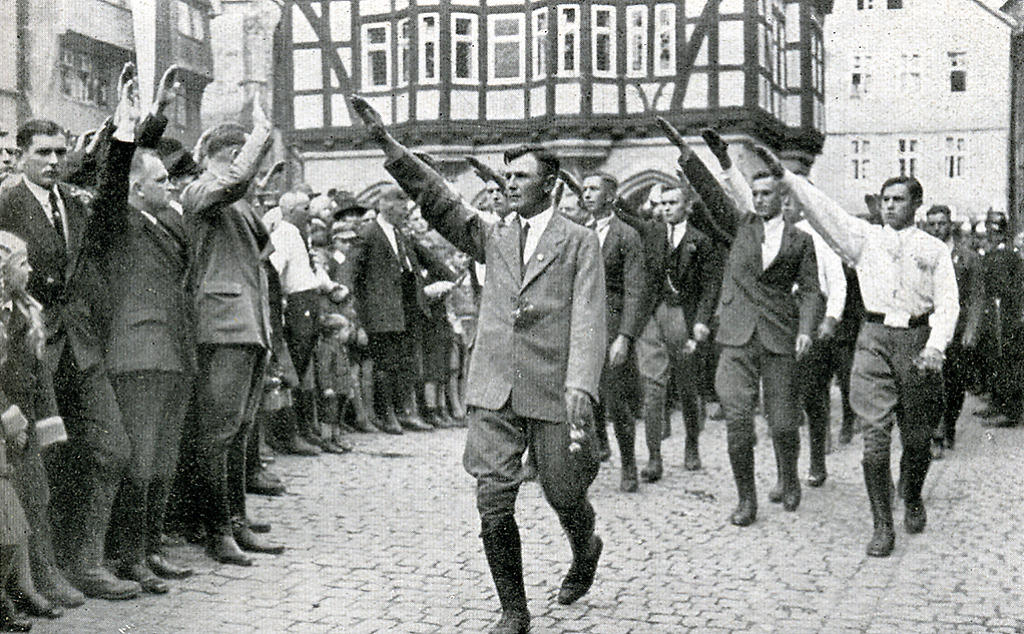
Hitler’s brown shirts were marching in Alsfeld even before Hitler took power in 1933. The photo below is from 1932. It was a scary time for my grandparents and all the Jews. My mother remembers the Nazi songs with lyrics like “When Jewish blood spurts off the knife, things will be twice as good”.

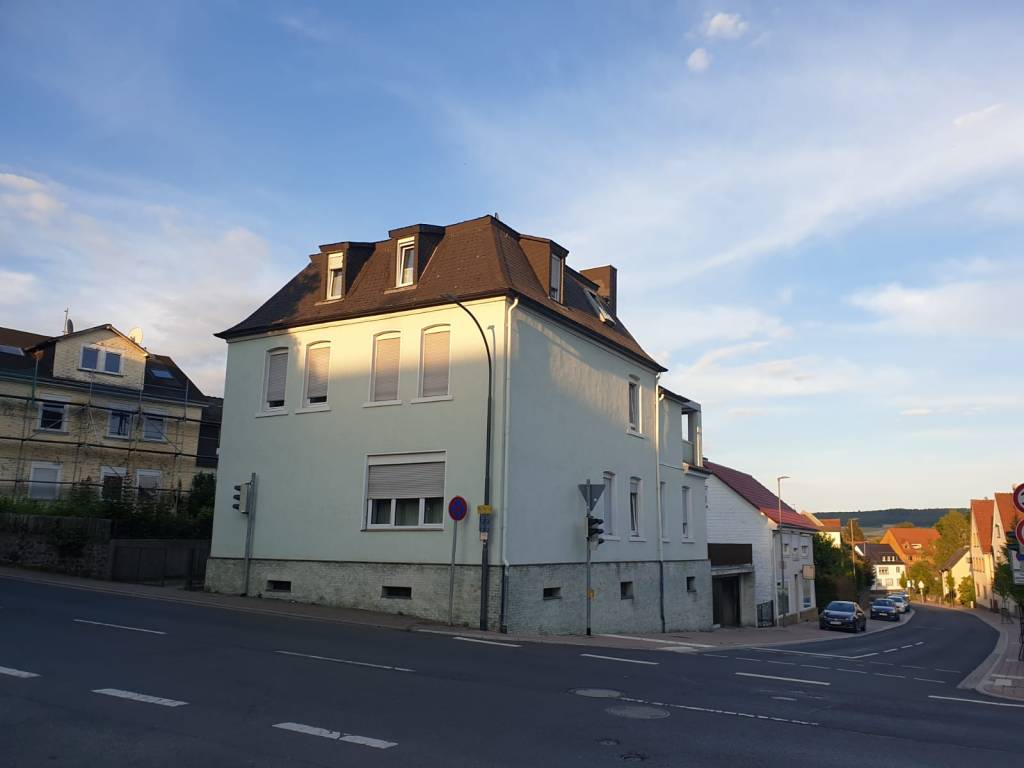
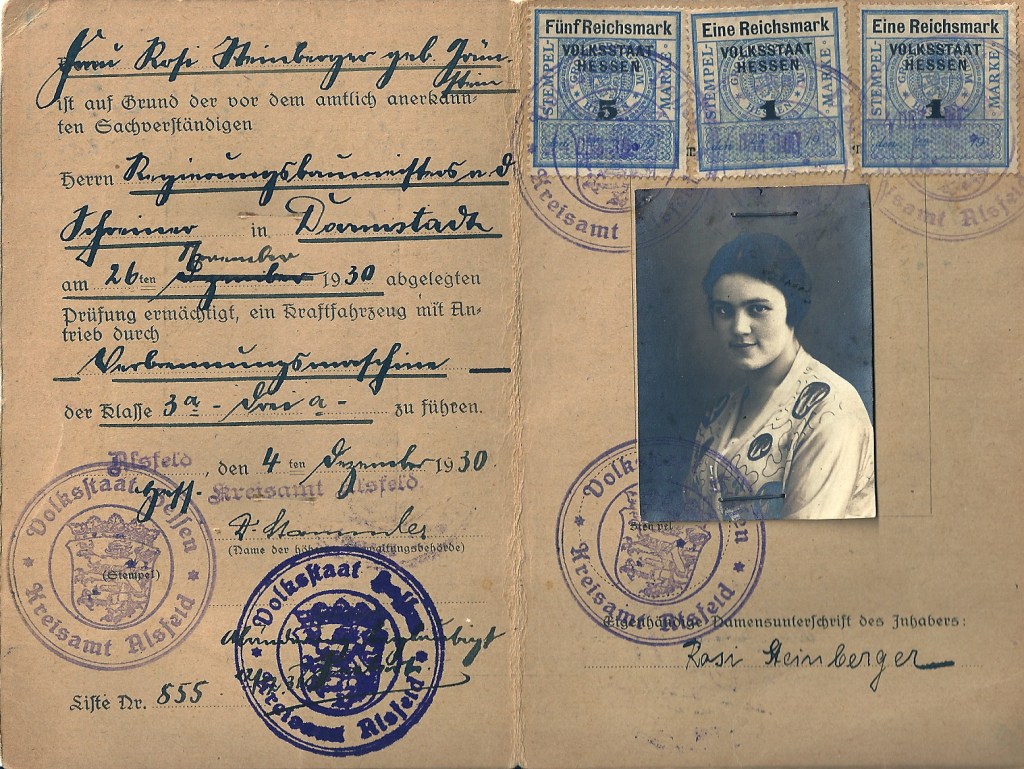
My grandfather was a successful manufacturer of workers’ clothing. He had many employees, including two salesmen who drove Mercedes cars. The advertisement below appeared in the local newspaper.

Early in 1933, one of the salesmen warned my grandfather that the Nazis were looking for him and that he needed to leave immediately. Adolf took a train to a neighboring town. That evening, Nazis came to the house, fired a bullet into the door, and extorted money from my grandmother. Adolf and Rosi got the message. Alsfeld and Germany, home to my family for centuries, no longer was safe for Jews.
Before summer’s end, Adolf and Rosi, their daughters Irmgard (who became my mother in New Jersey 22 years later) and Charlotte, moved to Haifa in what is now Israel. Alsfeld Jews, including others in the family, thought my grandfather was crazy for leaving. They believed they were Germans and that fascism soon would burn out or blow over.
They weren’t, and it didn’t. A few years later, all Alsfeld Jews had either fled the town, or were murdered. All of them.
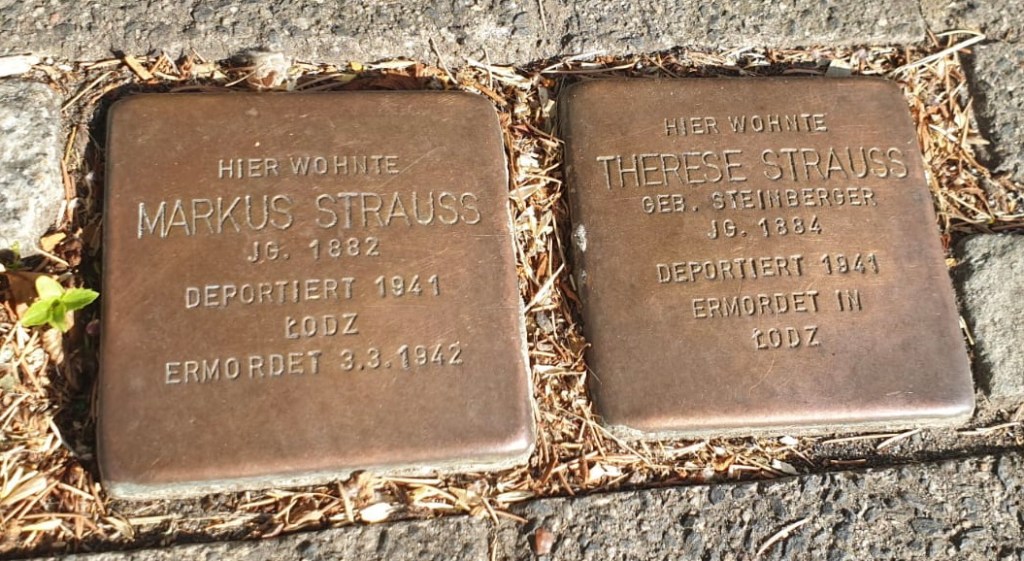
My Alsfelder great aunt Theresa Steinberger Strauss and her husband Markus Strauss waited too long. They are remembered with Stolpersteins (stumbling stones) in front of what was their house. They were deported in 1941 and murdered in the Lodz concentration camp, he at age 60 and she a bit younger; the exact date of her murder is unknown.
The Steinberger family already was in Haifa when the Alsfeld synagogue was gutted by fire on Kristallnacht (9 November 1938). The local newspaper had reported in 1930 that my grandfather spoke in the synagogue on the building’s 50th anniversary. I have highlighted the section on my grandfather, Adolf Steinberger, head of the Jewish community.
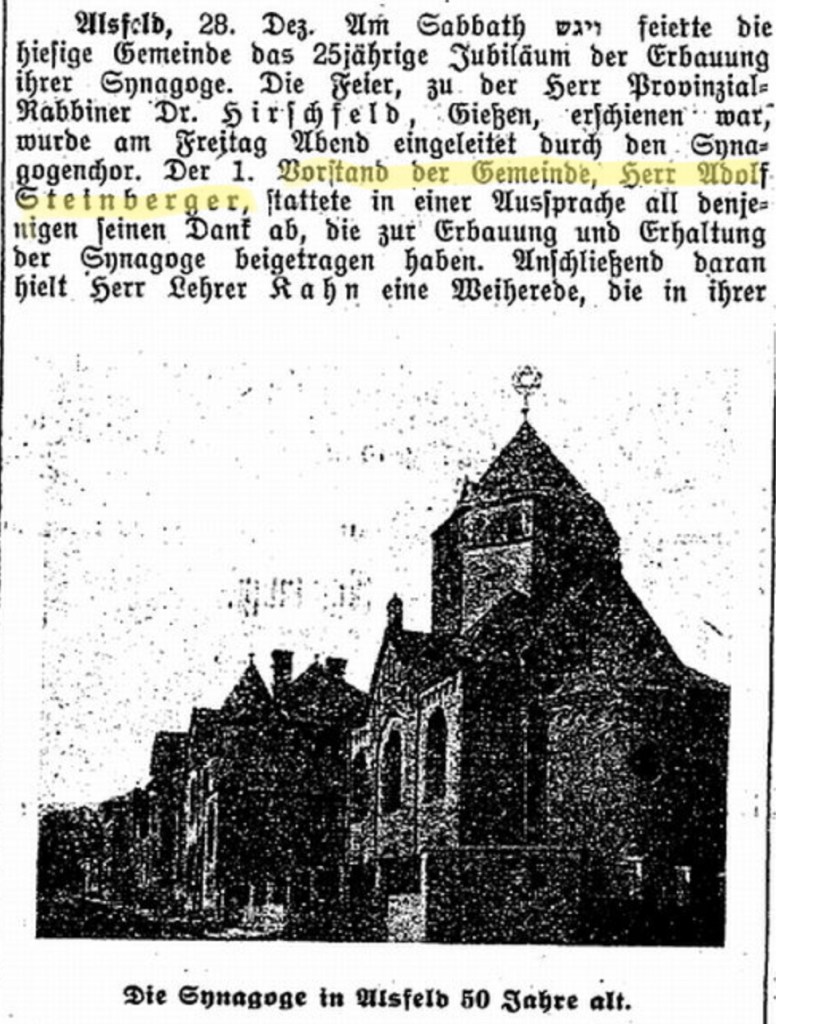
The synagogue was beautiful inside and out.
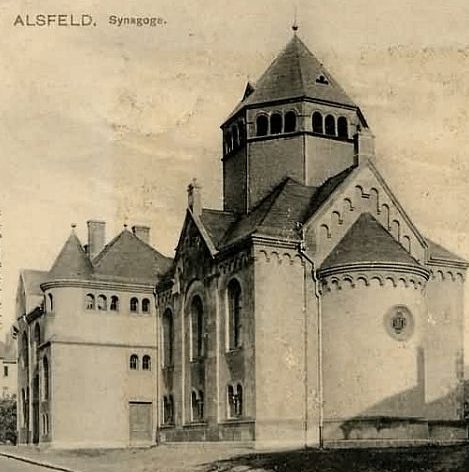

Adolf chaired the board of the synagogue in 1924 and was in charge of finding a teacher, cantor and kosher butcher. His name appears at the bottom of this incredible newspaper advertisement, translated below.
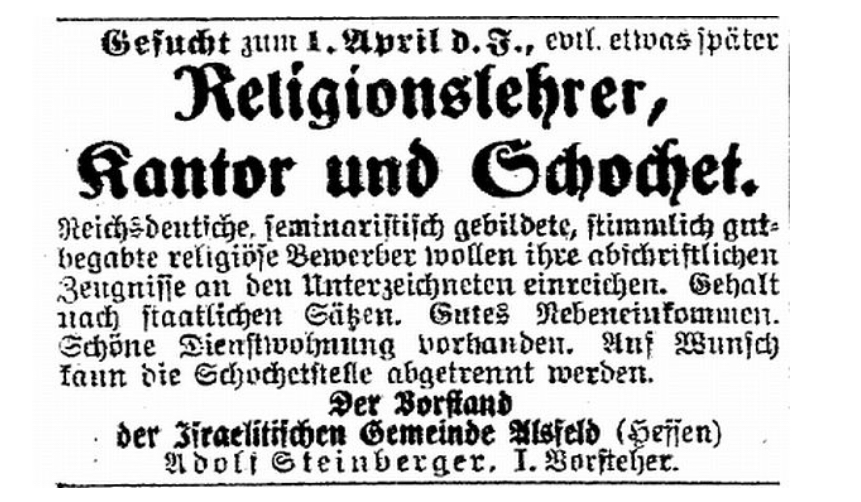

From his haven in Haifa, my grandfather arranged for the immigration of every one of his Jewish workers. The family house and factory in Alsfeld were “sold” for whatever pittance ”Aryan” buyers would offer.
A regional museum in Alsfeld is under construction. A temporary display includes a 7-compartment box of unknown purpose. The names of grandfather Adolf and great uncle Julius are written on the obverse.
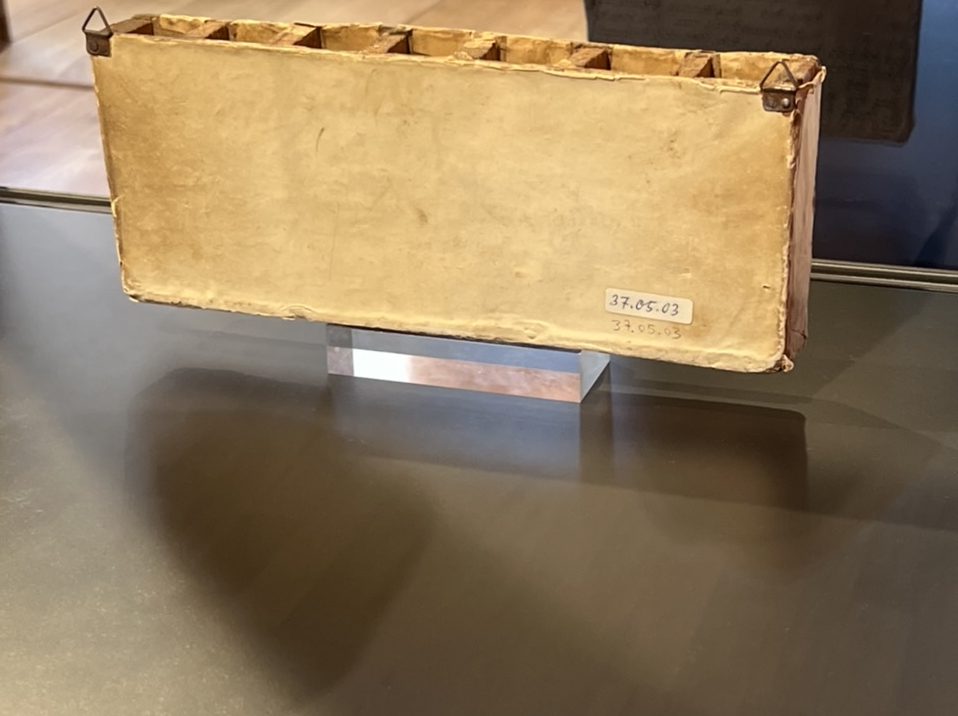


Life in Haifa was difficult for the Steinbergers. They were used to different foods, climate, business practices, a different language and higher standard of living. Grandfather Adolf no longer was an important man well-known to his community; he wrote back to Alsfeld that no one had been waiting in Haifa to roll out the red carpet for them. Like immigrants today, they had to make their own way.
Haifa’s people were not particularly religiously observant. My grandfather was astonished that Jewish people there smoked on the Sabbath.
But Haifa was safe. The Steinbergers made friends in the Jewish and Arab communities, and with Jewish refugees from Germany who continued to arrive.
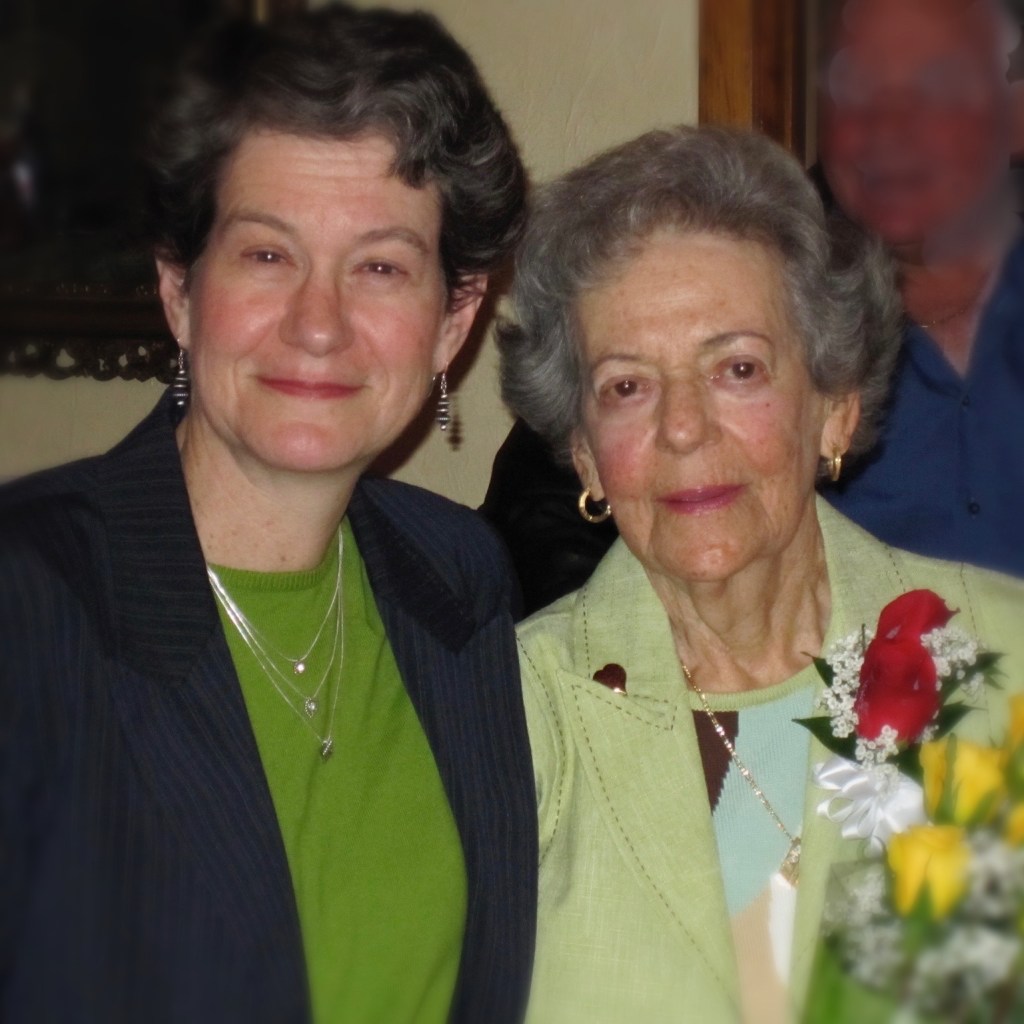
Thus ended the Steinbergers’ lives in Alsfeld. But the connection is not entirely broken. The work of our Alsfeld friends to preserve Jewish history, and my visit to see them and their work, has continued the link for another generation.


 Germany: Roots & Remembrance
Leave a reply to Paul Cancel reply