Often I wonder what life was like for my forebears. Today I had a taste.
Inspired by our train-loving friend Art Bilenker, we decided to visit Munich’s transit museum (not my usual museum choice) just across from our hotel. There we saw a Nuremberg city tram, built in 1926, the year my father was born. (Remember the year: 1926!)

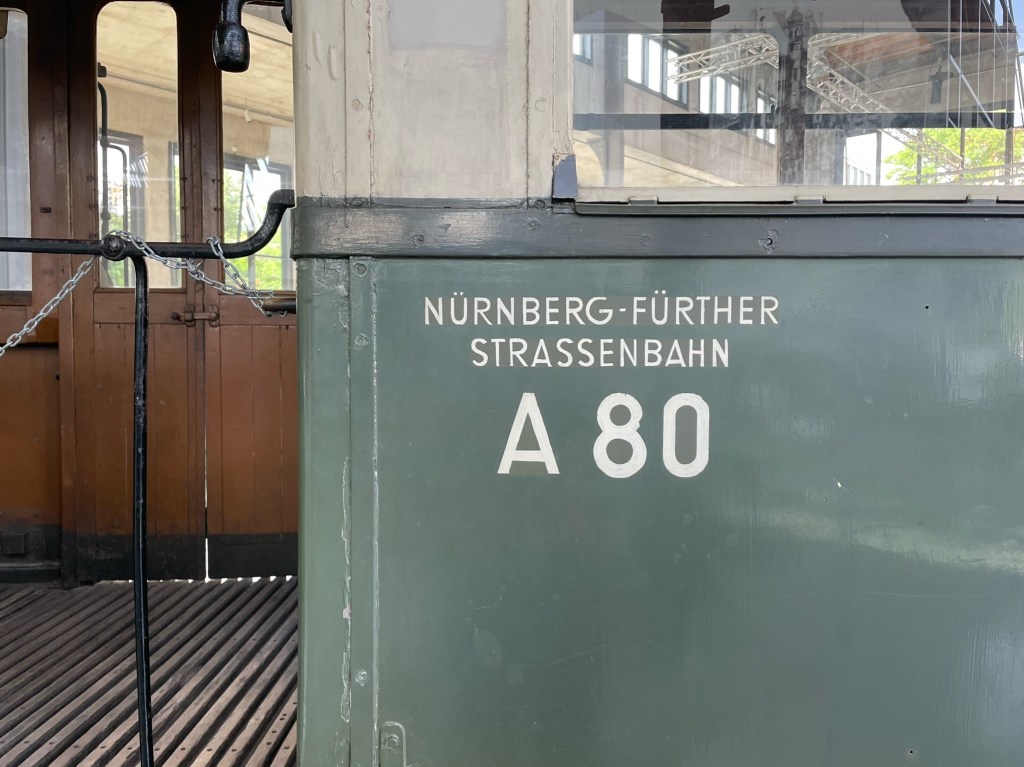
A museum worker, Christian, told us that we had crossed into a forbidden zone next to the tram. We explained that I wanted a close look because my father, like all Jewish children in 1936, had been expelled from public school in Nuremberg, forced to travel by tram every day to the Jewish school in neighboring Fürth.
Christian understood. He welcomed me warmly, fetched a key, opened a gate, and guided Jeffrey and me onto the tram!
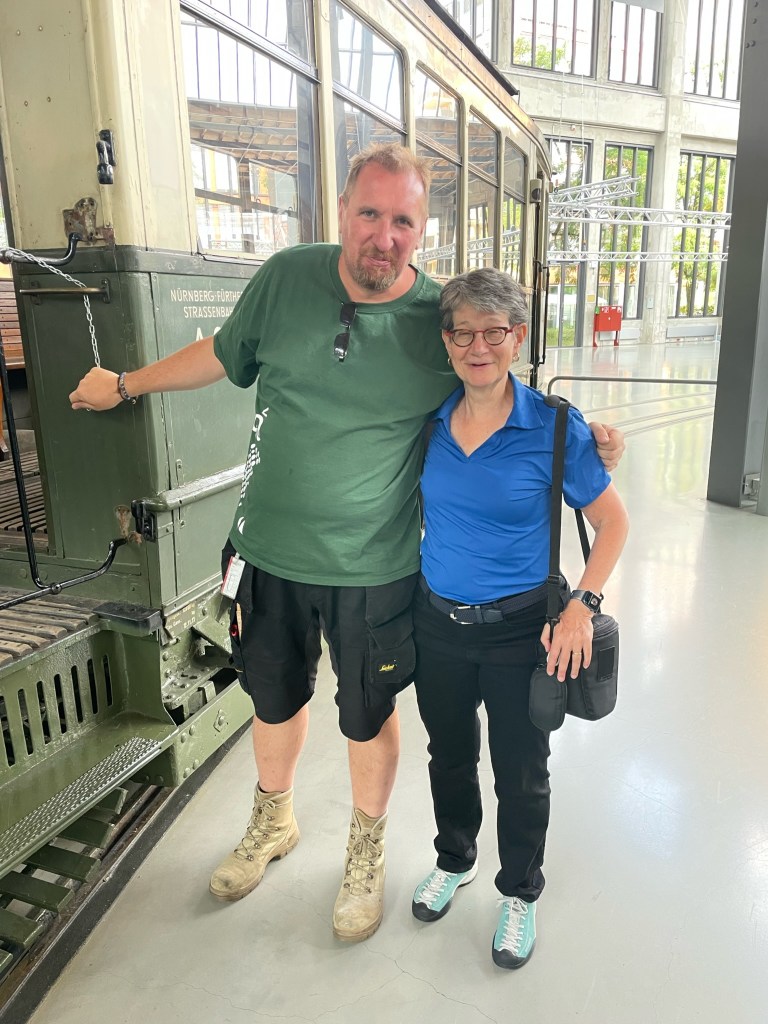
Christian showed us the heaters under the seats, the box of sand used to keep the brakes effective, and a sign that reminded riders to keep the doors closed from October to April to conserve heat.


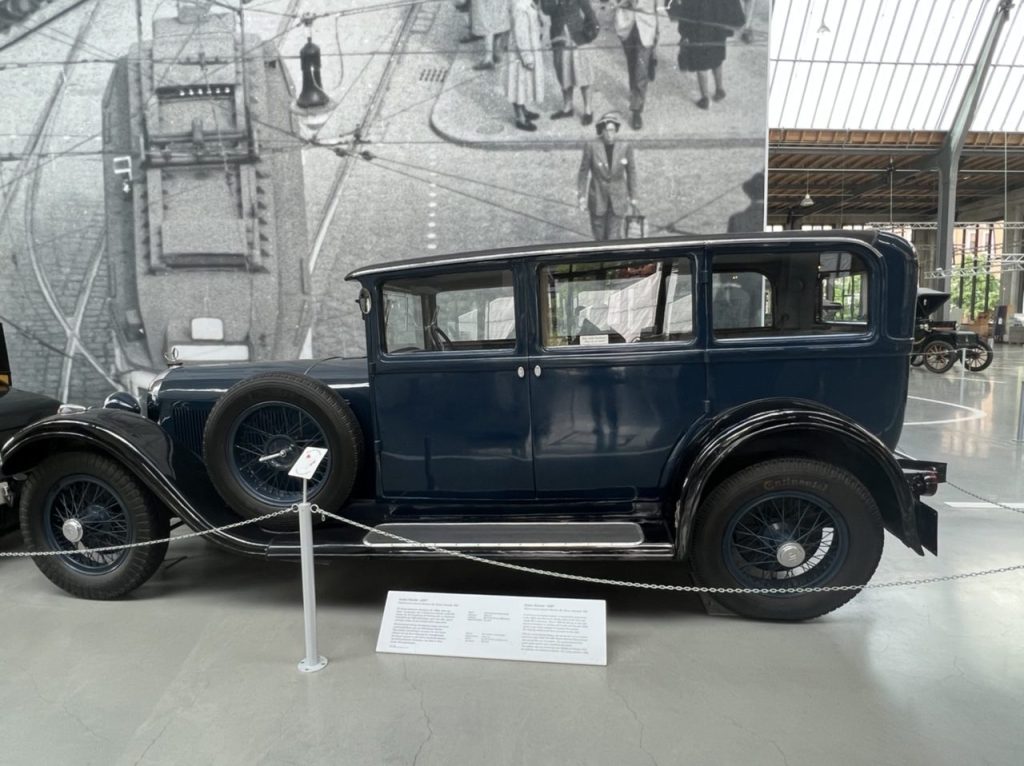
The museum has a huge collection of trains, bicycles, motorcycles, and cars.

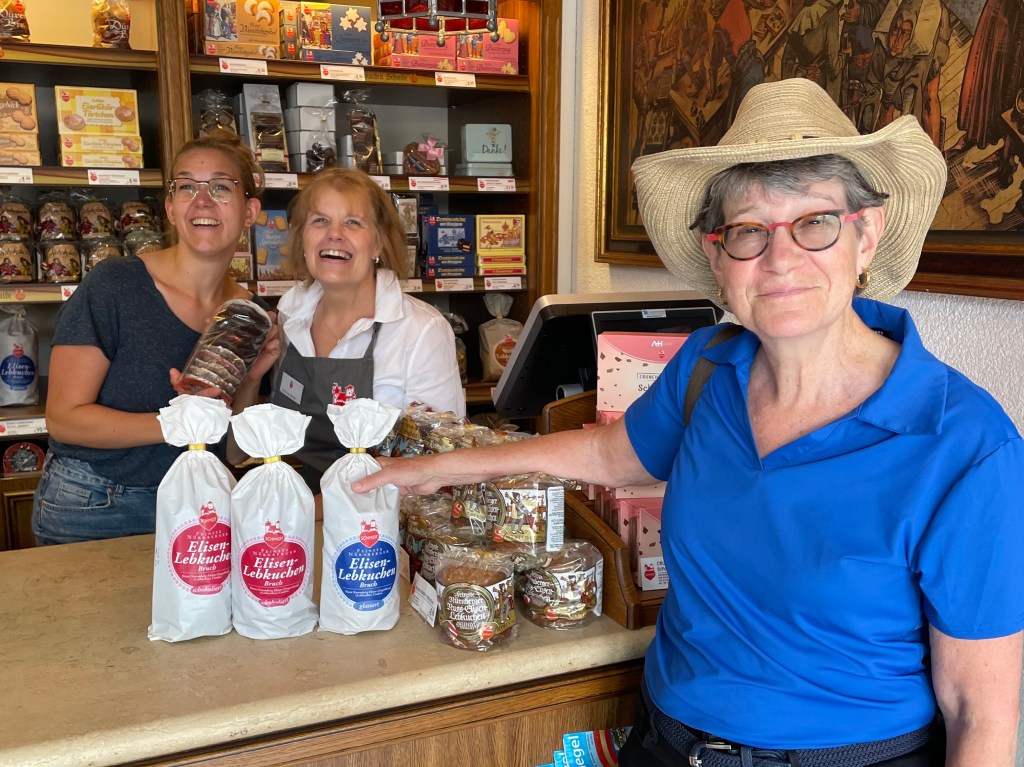
We arrived in Nuremberg at lunchtime. Our first stop was the Lebkuchen Schmidt store. Schmidt has made these local spice cookie specialties since … 1926! At my father’s suggestion, we bought broken Lebkuchen without a tin, for the same great taste at a fraction of the cost.

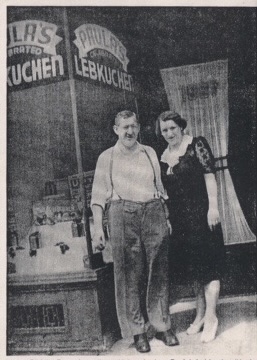

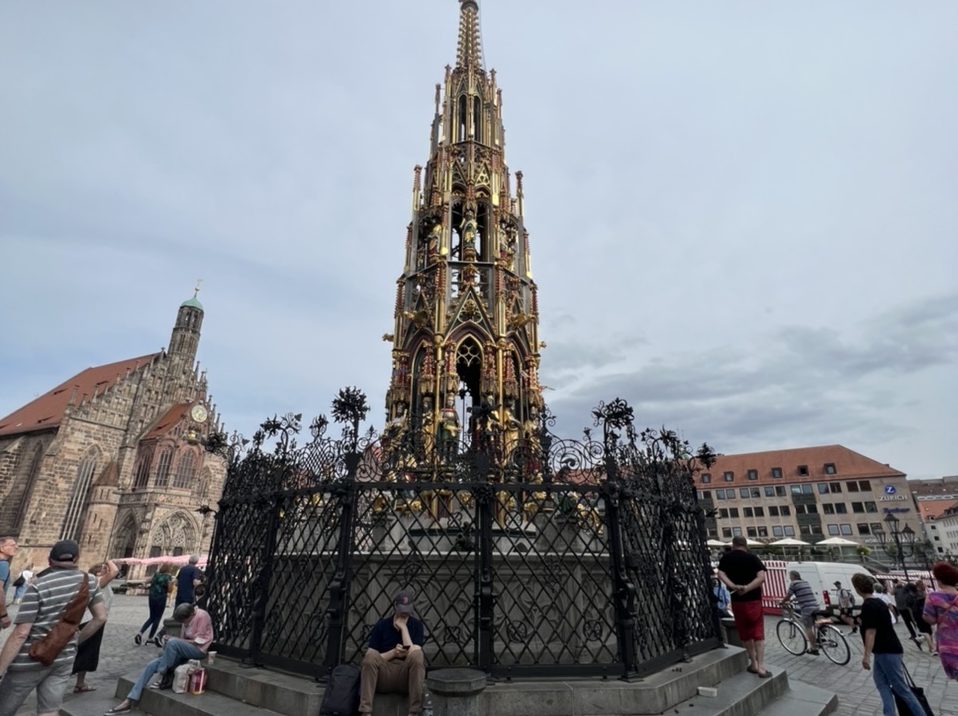

Beginning years before Hitler became chancellor, Nuremberg hosted many Nazi rallies. Some say that during WW2, it got what was coming to it.
After the war, Nuremberg was rebuilt, and German society was rebuilt, in ways that serve their people. Today this city and this country provide a good life for their people and resettle refugees rather than create them.
To read prior essays, click HERE.


 Germany: Roots & Remembrance
Leave a reply to Hannah kerrigan Cancel reply